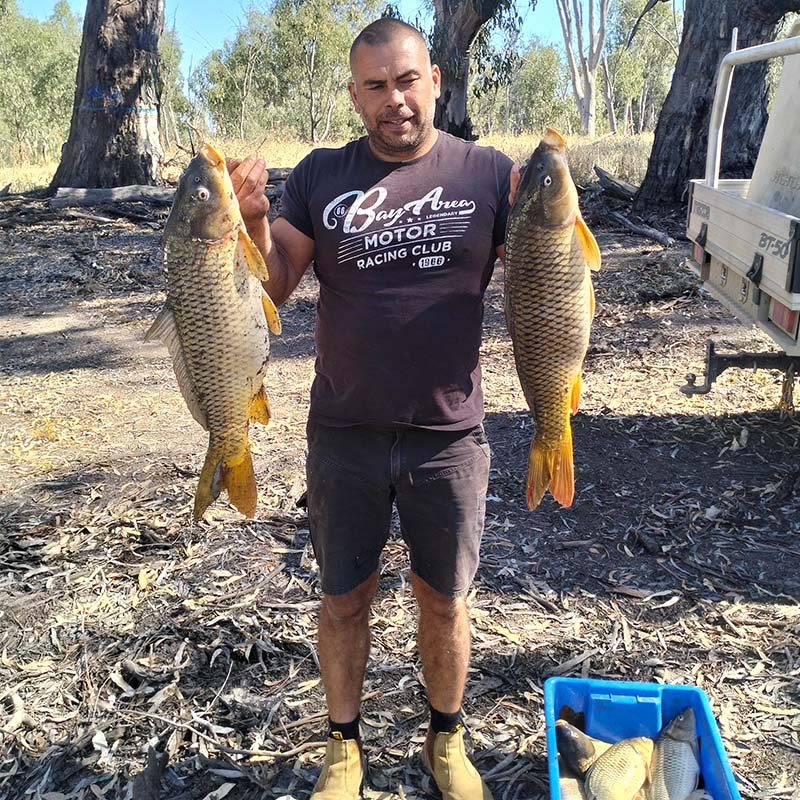
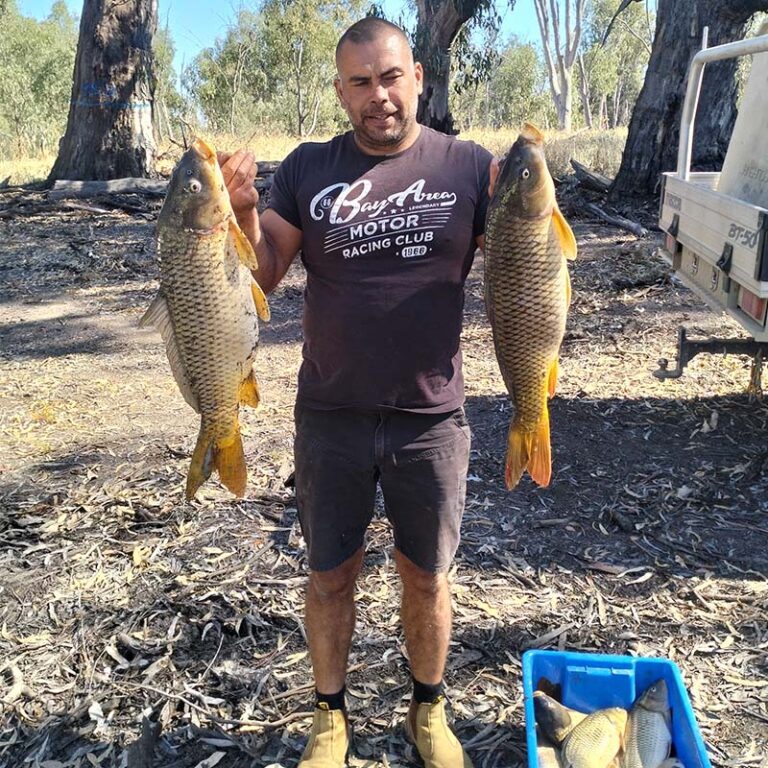
Moama Local Aboriginal Land Council actively participates in carp removal and wetland restoration programs throughout the Koondrook–Perricoota Forest and surrounding floodplain wetlands.
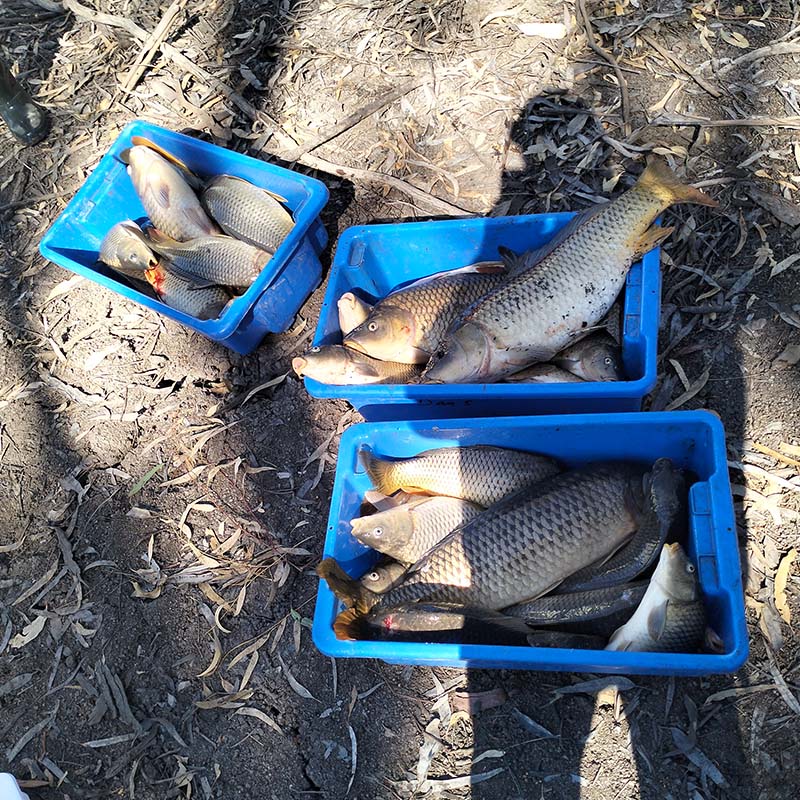
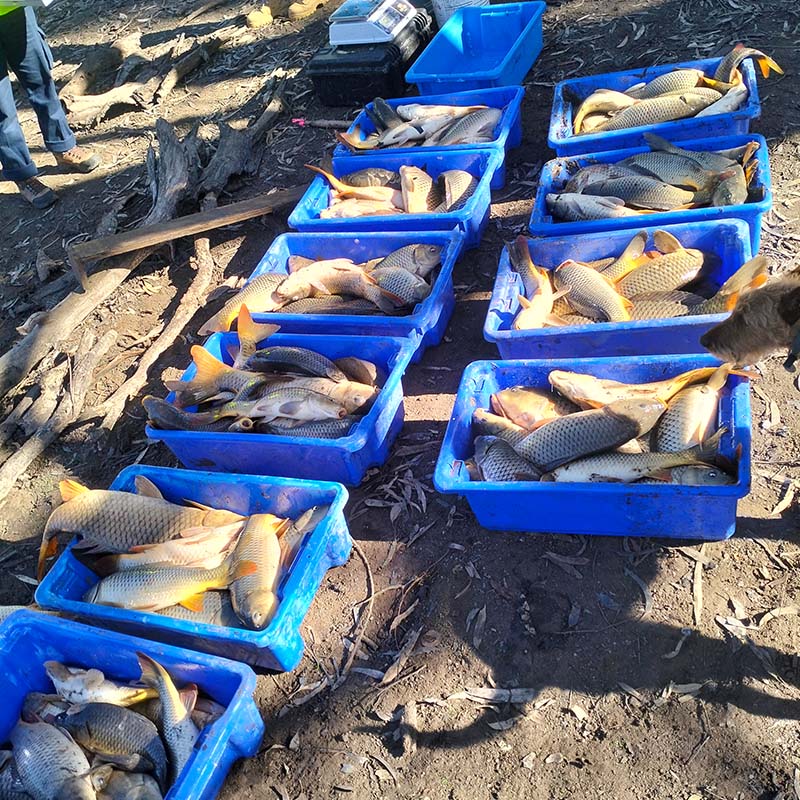
Working alongside government agencies, environmental organisations, researchers, and natural resource management partners, our field teams assist with the monitoring, capture, removal, and recording of European Carp populations across the region.
European Carp are one of Australia’s most damaging aquatic pest species. Their feeding behaviour disturbs riverbeds and wetland sediments, increases water turbidity, damages aquatic vegetation, and degrades important habitat used by native fish, waterbirds, turtles, and other aquatic species.
Targeted Carp Removal
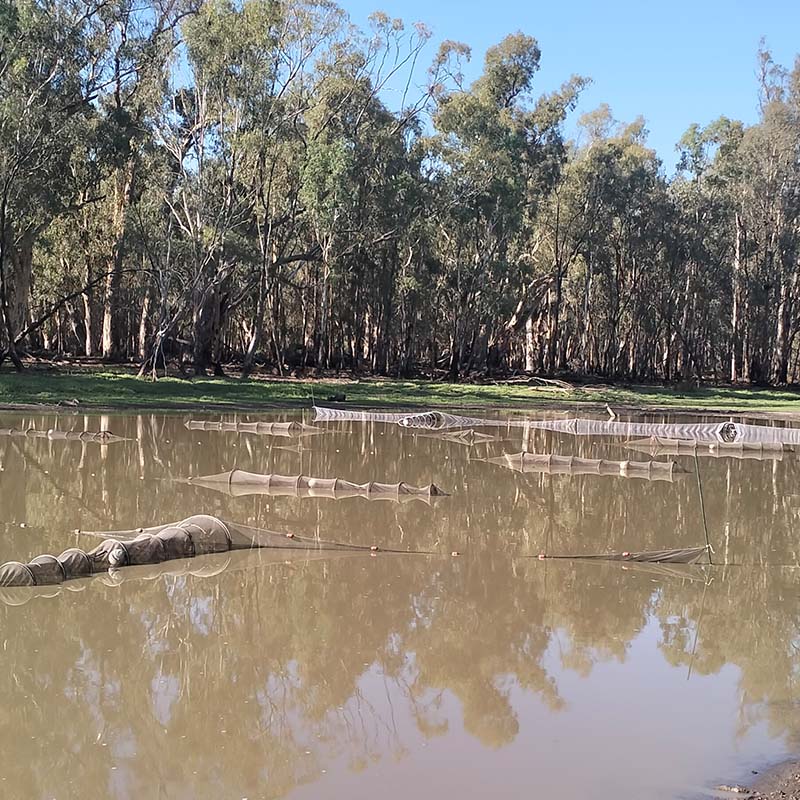
Moama LALC supports carp control programs using a range of techniques, including the deployment of fyke nets and strategic netting operations in known carp aggregation areas.
These programs are particularly effective when wetlands and lagoons begin to dry naturally. As water levels recede, carp become concentrated in smaller areas, allowing large numbers of fish to be removed before they can return to river systems and continue breeding.
Following removal operations, measures are often implemented to reduce the likelihood of carp re-entering wetlands when water levels rise again. These actions help protect sensitive aquatic environments and improve long-term ecosystem health.
Supporting Native Species
Reducing carp populations helps restore natural wetland processes by:
Improving water quality and clarity.
Protecting native aquatic vegetation.
Enhancing habitat for native fish species.
Supporting turtle populations and other aquatic wildlife.
Improving breeding and feeding conditions for waterbirds.
Increasing overall biodiversity across floodplain wetlands.
As native vegetation recovers, wetlands become more resilient and better able to support healthy ecological communities.
Monitoring and Data Collection
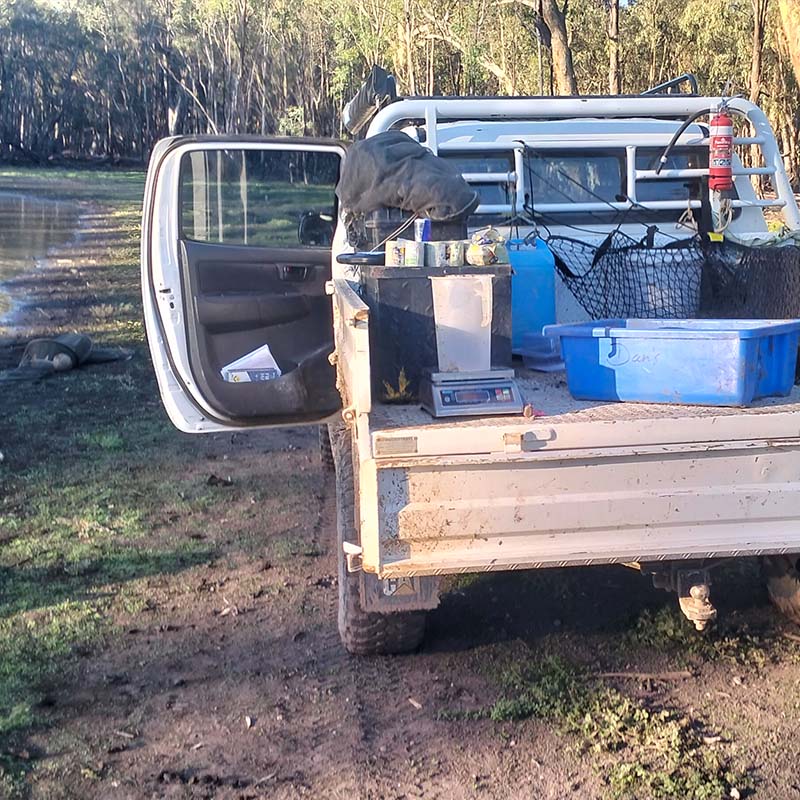
Moama LALC field staff play an important role in collecting scientific data during carp removal programs. This includes:
Measuring fish length and size.
Recording fish weights.
Monitoring catch numbers.
Assisting with species identification.
Collecting data to support ecological research and management decisions.
The information gathered helps project partners assess the effectiveness of control programs and guides future wetland restoration activities.
Caring for Country Through Action
Our involvement in carp management reflects Moama LALC’s commitment to Caring for Country through practical, on-ground environmental management. By helping restore healthy wetlands and waterways, we are protecting culturally significant landscapes, supporting native wildlife, and contributing to the long-term health of the Murray floodplain ecosystem for future generations.